


Strategies to Combat Performance Anxiety in Athletes: Your Guide to Performance Anxiety Management
Performance anxiety is something I’ve seen affect athletes at every level. Whether you’re stepping onto the field for a local match or gearing up for a national competition, that flutter in your stomach can feel overwhelming. But here’s the good news: performance anxiety is manageable. With the right strategies, you can turn those nerves into fuel for your best performance yet.
Let’s dive into some practical, easy-to-understand techniques that will help you take control of your anxiety and perform with confidence.
Understanding Performance Anxiety and Performance Anxiety Management
Performance anxiety is more than just feeling nervous. It’s a physical and mental response to the pressure of performing well. Your heart races, your muscles tense, and your mind might start to spiral with “what if” thoughts. This reaction is natural, but if it gets out of hand, it can hold you back.
Performance anxiety management is about recognising these signs early and using tools to calm your mind and body. Think of it like tuning a musical instrument before a concert. When you’re in tune, your performance flows smoothly. When you’re out of tune, even the best musician struggles.
Here are some key signs to watch for:
Rapid heartbeat
Shallow breathing
Muscle tightness
Negative self-talk
Difficulty concentrating
Recognising these symptoms is the first step to managing them effectively.

Practical Techniques to Manage Performance Anxiety
Now, let’s get into the heart of it. What can you do when those nerves start creeping in? Here are some strategies I’ve found incredibly helpful:
1. Controlled Breathing
When anxiety hits, your breathing often becomes quick and shallow. This sends a signal to your brain that you’re in danger, which ramps up anxiety even more. Controlled breathing helps reverse this.
Try this simple exercise:
Breathe in slowly through your nose for 4 seconds.
Hold your breath for 4 seconds.
Exhale slowly through your mouth for 6 seconds.
Repeat 4-5 times.
This technique calms your nervous system and brings your focus back to the present moment.
2. Visualisation
Visualisation is like mental rehearsal. Close your eyes and picture yourself performing perfectly. Imagine the sounds, the smells, the feel of the environment. See yourself moving confidently and successfully.
This mental practice builds your brain’s familiarity with success, making it easier to achieve in real life.
3. Positive Self-Talk
We all have an inner voice, but sometimes it can be harsh and critical. Replace negative thoughts like “I’m going to mess up” with positive affirmations such as “I’ve trained hard and I’m ready.”
Write down a few affirmations and repeat them daily, especially before competitions.
4. Establish a Pre-Performance Routine
Routines create a sense of control and normality. Whether it’s a specific warm-up, listening to a favourite song, or a quick chat with a teammate, find what grounds you and stick to it.
This routine becomes a mental cue that it’s time to focus and perform.
The Role of Mindfulness and Relaxation in Performance Anxiety Management
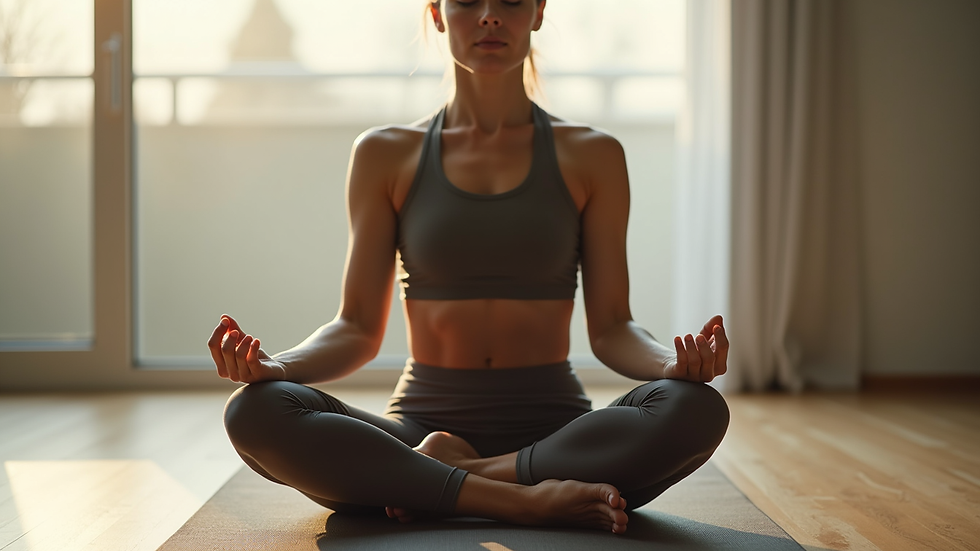
Mindfulness is about being fully present without judgement. It’s a powerful tool for managing anxiety because it helps you observe your thoughts and feelings without getting caught up in them.
Here’s a simple mindfulness exercise to try:
Sit quietly and focus on your breath.
Notice the sensation of air entering and leaving your nostrils.
When your mind wanders, gently bring it back to your breath.
Practising mindfulness regularly can reduce overall anxiety levels and improve concentration during competition.
Relaxation techniques like progressive muscle relaxation also help. This involves tensing and then relaxing different muscle groups, which reduces physical tension and promotes calmness.
How Sport Psychology Can Support Your Performance Anxiety Management
Sometimes, managing anxiety on your own can feel like an uphill battle. That’s where sport psychology for athletes comes in. Working with a sport psychologist can provide personalised strategies tailored to your unique needs.
They can help you:
Identify specific anxiety triggers
Develop mental skills like focus and resilience
Build confidence through evidence-based techniques
Create a mental game plan for competition day
Sport psychology is not just for elite athletes. It’s a valuable resource for anyone looking to improve their mental game and enjoy their sport more fully.
Building Long-Term Resilience Against Performance Anxiety
Managing anxiety isn’t just about quick fixes. It’s about building mental strength over time. Here are some habits to cultivate:
Regular physical activity: Exercise releases endorphins, natural mood boosters.
Adequate sleep: Rest is crucial for mental and physical recovery.
Balanced nutrition: Fuel your body with the right nutrients to support brain function.
Goal setting: Set realistic, achievable goals to maintain motivation and focus.
Social support: Surround yourself with positive people who encourage and believe in you.
Remember, resilience grows with practice. Each time you face anxiety and use your tools, you become stronger.
Embracing the Journey: Your Mental Game Matters
Performance anxiety is a challenge, but it’s also an opportunity. It shows you care deeply about your sport and your performance. By embracing these strategies, you’re not just managing anxiety - you’re mastering your mental game.
Take it one step at a time. Celebrate small victories. And know that every athlete faces this battle. You’re not alone, and with the right approach, you can unlock your full potential and enjoy your sport more than ever.
Keep practising these techniques, stay patient with yourself, and watch how your confidence grows. Your best performance is waiting just around the corner.


Comments